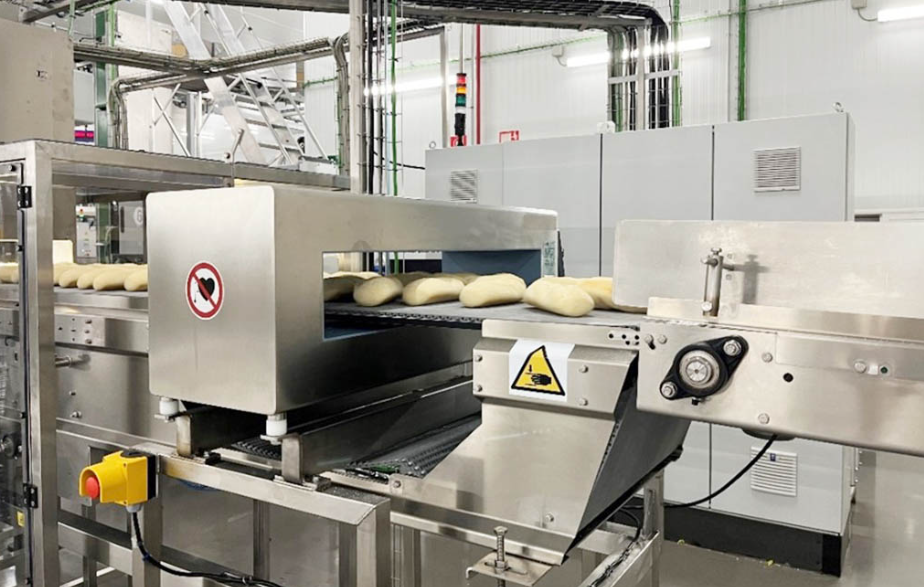
Tips about Maintaining and Optimizing Commercial Food Machinery for Bakeries

In the high-stakes world of commercial baking, the reliability and efficiency of your equipment are the foundations of a successful operation. From small artisan bakeries to large-scale industrial facilities, the machinery used to mix, shape, and bake dough must perform consistently under heavy workloads. A single breakdown in a planetary mixer or a malfunctioning oven can lead to significant production delays and lost revenue. Therefore, understanding how to maintain and optimize your commercial food machinery is essential for any business looking to deliver high-quality products day after day.
The modern bakery landscape is increasingly competitive, requiring businesses to balance traditional techniques with cutting-edge technology. Whether you are looking to scale your production through OEM manufacturing or simply seeking to improve the longevity of your existing equipment, a proactive approach to machinery management is vital. By focusing on regular maintenance, proper operation, and the use of high-quality components, bakery owners can ensure that their facility remains a model of efficiency and excellence.
Every professional bakery relies on a core set of machines that handle the heavy lifting of dough preparation and baking. Understanding the function and maintenance needs of these primary tools is the first step in optimizing your facility. For businesses that require specialized equipment for processing proteins or specific dough textures, ensuring you have the right Meat Grinder Parts and bakery components is crucial for maintaining a clean and even result in every batch.
The Core Components of a Successful Bakery Operation
Mixers are arguably the most important pieces of equipment in any bakery. Planetary mixers, known for their versatility, can handle everything from bread dough to delicate cake batters and frostings. Spiral mixers, on the other hand, are specialized for heavy dough, providing a consistent and efficient mix that develops the gluten structure perfectly. Regular inspection of the mixing bowls, attachments, and internal gears is crucial. Ensuring that the motor is not overloaded and that all moving parts are properly lubricated will prevent premature wear and ensure a smooth, quiet operation even during peak hours.
The baking process is where all the hard work of preparation comes to fruition. Commercial ovens, whether they are deck ovens, rotary rack ovens, or convection models, must provide even heat distribution and precise temperature control. A slight deviation in temperature can result in uneven browning or underbaked products. Regular calibration of thermostats and inspection of door seals and heating elements are necessary to maintain the highest standards of quality. A well-maintained oven not only produces better results but also operates more efficiently, reducing energy costs for the business.
To achieve consistent results in pastries and breads, dough sheeters and proofers are indispensable. Sheeters allow for the precise and uniform thinning of dough, essential for croissants, puff pastries, and pizza crusts. Proofers provide the controlled environment needed for dough to rise properly, ensuring the perfect texture and volume. Keeping these machines clean and ensuring that the humidity and temperature settings are accurate are key to achieving the desired product characteristics every time.
See also: Future of Internet Technology
Enhancing Longevity with High-Quality Components
Beyond the large machines, the smaller components that make up your equipment play a critical role in its overall performance. Using high-quality parts is one of the most effective ways to prevent breakdowns and extend the life of your machinery. This attention to detail is what separates a professional operation from a mediocre one, ensuring that every piece of equipment in your facility, from the largest mixer to the smallest grinder, performs at its best.
For many bakeries, off-the-shelf equipment may not perfectly meet their unique production needs. This is where OEM (Original Equipment Manufacturer) manufacturing becomes a powerful tool. By partnering with a specialized manufacturer, businesses can develop custom machinery tailored to their specific workflows and product requirements. This collaborative approach ensures that the machinery is not only efficient but also durable and easy to maintain, as it is designed with the specific challenges of your operation in mind. For businesses looking for reliable and professional commercial food machinery, exploring the offerings at Mirabake can provide the foundation for a highly successful and scalable bakery operation.
OEM manufacturing allows for greater control over the design, materials, and features of your equipment. Whether you need a mixer with a specific bowl capacity or an oven with unique steam injection capabilities, custom solutions can provide a significant competitive advantage. By investing in tailored solutions, bakery owners can address specific bottlenecks in their production line, leading to a more streamlined and profitable operation.
Practical Tips for Daily Machinery Maintenance
Maintaining commercial food machinery doesn’t have to be a daunting task. By incorporating a few simple steps into your daily routine, you can prevent most common issues and ensure that your equipment remains in top condition.
1. Implement a Strict Cleaning Schedule
Food debris and flour dust are the enemies of machinery. Over time, they can build up in gears, motors, and heating elements, leading to overheating and mechanical failure. A thorough cleaning after every shift is essential. Use food-safe cleaning agents and ensure that all removable parts are washed, dried, and reassembled correctly. This not only protects the machinery but also ensures the highest standards of food safety and hygiene.
2. Regular Lubrication and Inspection
Moving parts require lubrication to function smoothly and prevent friction-related damage. Refer to the manufacturer’s guidelines for the correct type of lubricant and the frequency of application. During your daily cleaning, take a moment to inspect the machine for any signs of wear, such as loose bolts, frayed belts, or unusual noises. Catching a small problem early can prevent it from turning into a major breakdown later.
3. Employee Training and Proper Operation
Even the best machinery can be damaged by improper use. Ensure that all employees are thoroughly trained on the correct operation of every piece of equipment. This includes understanding the weight limits for mixers, the correct settings for ovens, and the safety protocols for all moving parts. Empowering your team with the knowledge to use the machinery correctly is one of the best ways to protect your investment and ensure a safe working environment.
Optimizing Production Efficiency in the Bakery
Efficiency is about more than just fast machines; it’s about the seamless integration of equipment, people, and processes. By optimizing your workflow, you can increase your output while reducing waste and labor costs. Consider the layout of your bakery to minimize the movement of dough and ingredients between stations. Ensure that your most frequently used machines are easily accessible and that there is ample space for staff to work comfortably.
Regularly reviewing your production schedules and adjusting them to match the capacity of your equipment can also prevent bottlenecks and ensure a steady flow of fresh products throughout the day. By analyzing your peak production times and machine downtime, you can create a more balanced schedule that maximizes throughput without overstressing your equipment or your staff.
Conclusion: Investing in the Future of Your Bakery
In conclusion, the success of a commercial bakery is deeply intertwined with the quality and maintenance of its food machinery. From the initial mixing of dough to the final bake, every step of the process relies on equipment that is reliable, efficient, and well-maintained. By focusing on the core components of your operation, using high-quality parts, and exploring custom OEM solutions, you can build a facility that is capable of delivering exceptional results consistently.
The investment you make in your machinery today will pay dividends in the form of increased productivity, lower maintenance costs, and a better final product. Embrace a proactive approach to equipment management and discover how the right tools and techniques can transform your bakery into a thriving and scalable business. For more information on optimizing your commercial kitchen setup, visit mirabake.com to explore a wide range of professional solutions designed for modern food production. With a commitment to excellence and a focus on optimization, the possibilities for your bakery are endless.