Evolution of Computer Hardware

The evolution of computer hardware illustrates a significant technological progression. Beginning with bulky vacuum tube machines, the landscape shifted dramatically with the introduction of transistors, which enabled smaller, more efficient designs. As personal computers emerged, technology became accessible to the masses. Today, mobile devices dominate, reshaping how society interacts with information. This transformation raises questions about the future of computing and its potential impact on daily life. What innovations lie ahead?
The Birth of Computers: Vacuum Tubes and Mainframes
As the 20th century dawned, humanity’s quest for computational power led to the development of the first electronic computers, which relied heavily on vacuum tube technology and mainframe architecture.
These colossal machines marked the beginning of a new era, enabling complex calculations and data processing.
The reliance on vacuum tubes allowed for faster operations, setting the foundation for future innovations in computing and information technology.
The Transition to Transistors and Integrated Circuits
With the advent of the 1950s, a significant shift in computer hardware occurred as researchers and engineers began to explore the potential of transistors and integrated circuits.
Transistor technology revolutionized design, enabling smaller, more efficient devices while reducing heat generation.
Integrated circuits further advanced this evolution, allowing multiple transistors to be combined, enhancing processing power and paving the way for modern computing.
See also: Premium Business Analysis for 1916719891, 951198121, 353126677, 610941143, 1392672445, 644100121
The Rise of Personal Computers and Workstations
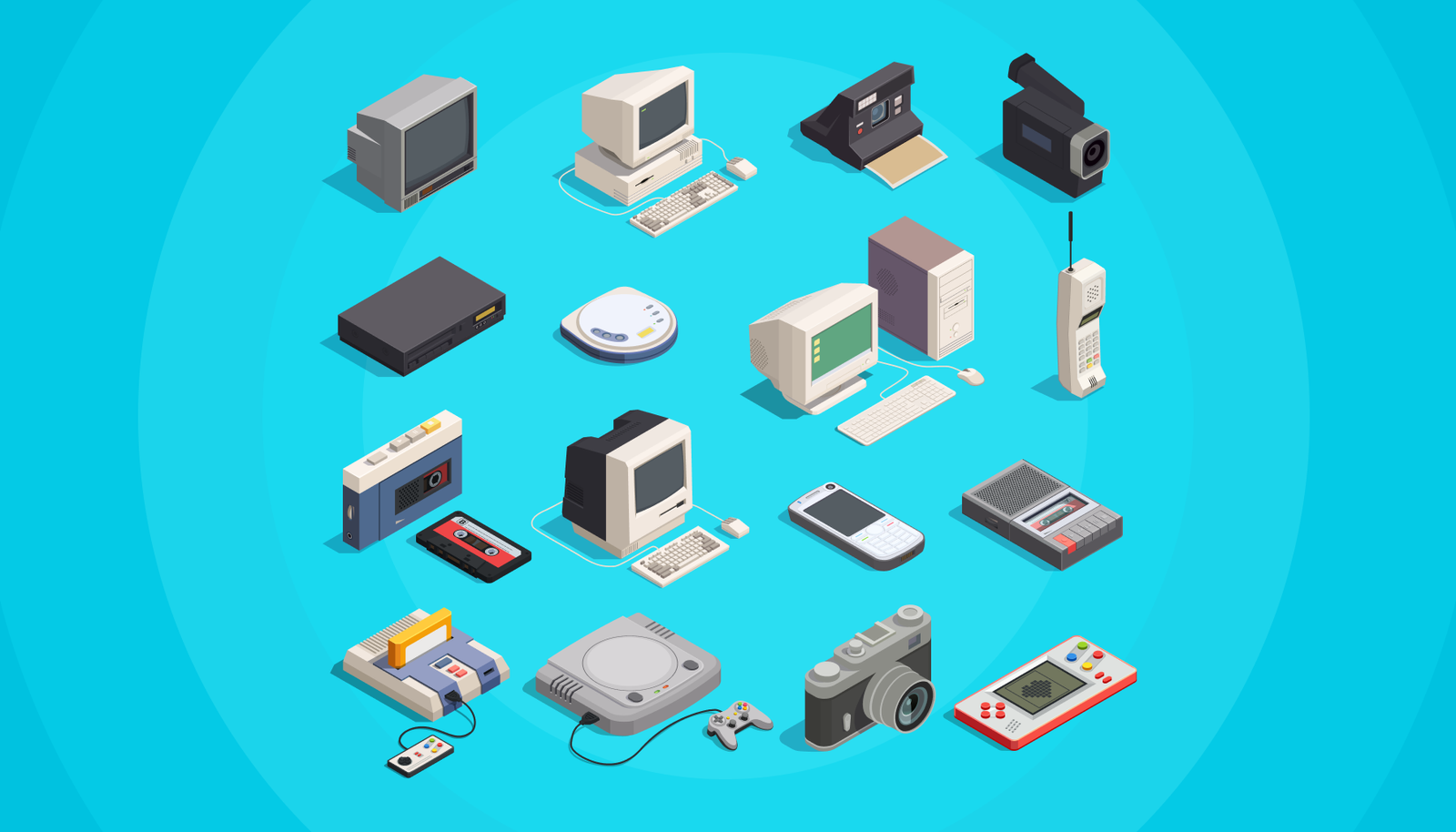
The development of transistors and integrated circuits set the stage for a new era in computing, leading to the proliferation of personal computers and workstations in the late 1970s and 1980s.
This marked a significant shift toward personal computing, empowering individuals and small businesses.
The workstation evolution further enhanced productivity, offering specialized capabilities that catered to professionals, thus broadening the landscape of digital innovation.
Mobile Computing and the Era of Smartphones
Mobile computing has revolutionized the way individuals interact with technology, bringing about unprecedented changes in communication, information access, and daily tasks.
The smartphone evolution has transformed devices into powerful tools, enabling seamless connectivity. Mobile applications play a crucial role, offering diverse functionalities that enhance productivity and creativity.
This era empowers users, granting them the freedom to navigate their lives with unprecedented convenience and efficiency.
Conclusion
The evolution of computer hardware, marked by the transition from vacuum tubes to transistors, from mainframes to personal computers, and from desktops to mobile devices, underscores a relentless pursuit of innovation. Each advancement has not only enhanced performance but also transformed accessibility, usability, and connectivity. As society continues to embrace these changes, the trajectory of technology remains clear: a future where computing is ever more integrated into daily life, driving new possibilities and redefining human interaction with information.