How Digital Technology Works

Digital technology is a multifaceted system that integrates hardware, software, and data transmission. Each component plays a crucial role in ensuring seamless operations and user interactions. Hardware executes tasks through circuits, while software interprets these processes into accessible applications. Understanding how these elements function together reveals a deeper layer of complexity. As new trends emerge, the landscape of digital technology continues to evolve, prompting questions about its future implications and possibilities.
The Building Blocks of Digital Technology
Digital technology is underpinned by fundamental components that serve as its building blocks.
At the core, hardware components such as processors and memory interact within digital circuits to facilitate complex operations. These elements work together seamlessly, enabling devices to perform tasks efficiently.
Understanding these foundational aspects empowers individuals to appreciate the intricacies of technology, fostering a sense of freedom in navigating the digital landscape.
See also: Premium Business Analysis for 1916719891, 951198121, 353126677, 610941143, 1392672445, 644100121
How Data Is Transmitted and Processed
Data travels through a network of interconnected devices, transforming raw information into meaningful insights.
Through data encoding, information is converted into a format suitable for transmission, ensuring accuracy and efficiency.
Signal modulation then alters the characteristics of this encoded data, enabling it to traverse various mediums.
Together, these processes facilitate seamless communication, empowering individuals to access and share information freely and effectively.
The Role of Software in Digital Systems
Software serves as the backbone of digital systems, translating complex data processes into user-friendly applications that enhance functionality and usability.
Through effective software architecture, developers create robust frameworks that facilitate seamless application development. This process empowers users, granting them the freedom to engage with technology intuitively.
Ultimately, software not only drives innovation but also ensures that digital systems remain accessible and efficient for all.
Emerging Trends and Future Innovations
Technology is constantly evolving, bringing forth new trends and innovations that reshape the digital landscape.
Emerging advancements like artificial intelligence and machine learning enhance automation, while blockchain technology ensures secure transactions.
Quantum computing promises unparalleled processing power, and augmented reality transforms user experiences.
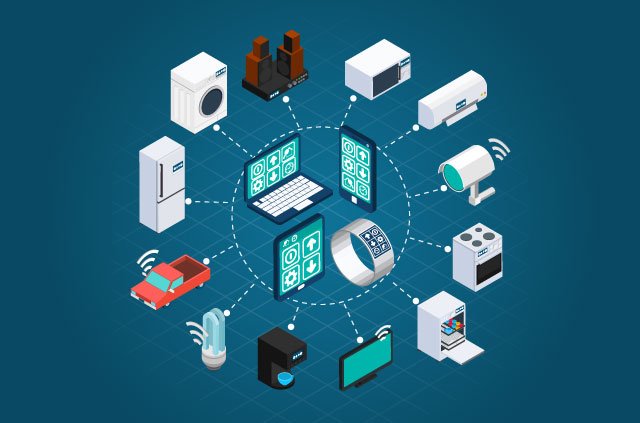
The proliferation of 5G networks and the Internet of Things, alongside edge computing, further connect and empower users in unprecedented ways.
Conclusion
In summation, the symbiotic synergy of hardware, software, and data defines the dynamic domain of digital technology. As innovations ignite the imagination, emerging trends promise a future filled with fascinating functionalities. This ever-evolving ecosystem not only enhances everyday efficiency but also fosters formidable connections among users and devices. Ultimately, through continuous creativity and collaboration, digital technology will undeniably drive daring advancements, shaping a smarter, more interconnected world for generations to come.