History of Internet Technology

The history of internet technology reveals a complex evolution driven by innovation and necessity. It began with ARPANET, a U.S. Department of Defense initiative that introduced packet switching for decentralized communication. As this foundation grew, the emergence of the World Wide Web transformed information access. Key protocols and security measures further shaped the landscape. Understanding these developments raises questions about the implications for modern connectivity and the future trajectory of digital interactions.
The Origins of the Internet: ARPANET and Early Developments
The inception of the internet can be traced back to ARPANET, a groundbreaking project initiated by the U.S. Department of Defense.
Its innovative ARPANET architecture utilized packet switching, allowing data to be transmitted efficiently across multiple nodes.
This pivotal development enabled decentralized communication, fostering a sense of freedom and collaboration among researchers, ultimately laying the foundation for the interconnected digital landscape we navigate today.
The Rise of the World Wide Web: A New Era of Connectivity
Following the foundational developments of ARPANET, the emergence of the World Wide Web marked a significant transformation in how information was accessed and shared.
The advent of web browsers facilitated user-friendly navigation, democratizing access to vast resources.
Additionally, the Web fostered the growth of online communities, enabling individuals to connect, collaborate, and express themselves freely, thus redefining social interaction in the digital age.
Key Innovations and Technologies That Shaped the Internet
Numerous innovations and technologies have significantly influenced the evolution of the Internet, each contributing to its current complexity and functionality.
Key advancements include network protocols facilitating efficient data transmission, robust internet security measures safeguarding online privacy, and the development of digital infrastructure enabling cloud computing.
Additionally, mobile connectivity and the rise of social media have transformed how users interact, enriching the overall online experience.
See also: How Digital Technology Works
The Internet Today: Trends and Future Prospects
As users increasingly rely on digital platforms for communication, commerce, and entertainment, the Internet has become an integral part of daily life, shaping societal norms and economic landscapes.
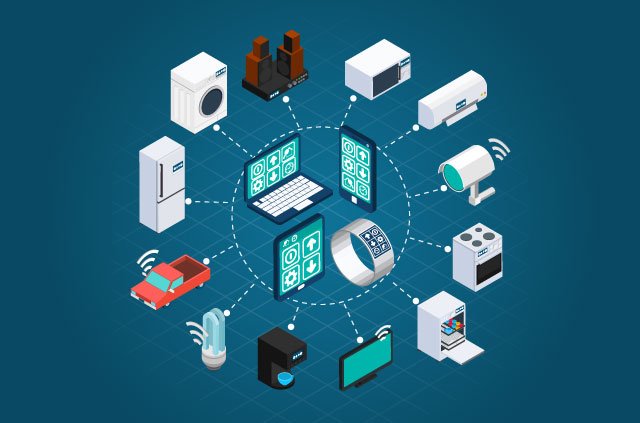
Current trends highlight the dominance of social media, advancements in IoT and cloud computing, and the emergence of 5G technology.
Additionally, cybersecurity trends and digital privacy concerns inform the development of blockchain applications and virtual reality experiences.
Conclusion
In conclusion, the evolution of internet technology, from the nascent ARPANET to the expansive digital ecosystem of today, mirrors the intricate weave of a vast tapestry, each thread representing significant innovations and milestones. As society stands on the precipice of further advancements, the internet continues to transform human interaction, knowledge dissemination, and commerce. This ever-evolving landscape not only reflects technological prowess but also poses questions about the future trajectory of connectivity and its implications for humanity.